
Humanities and Social Science Program
AI and Psychology: How do people decide what's true?
Faculty Advisor: Research fellow, Boston College; Former lab manager, Stanford University
Research Program Introduction
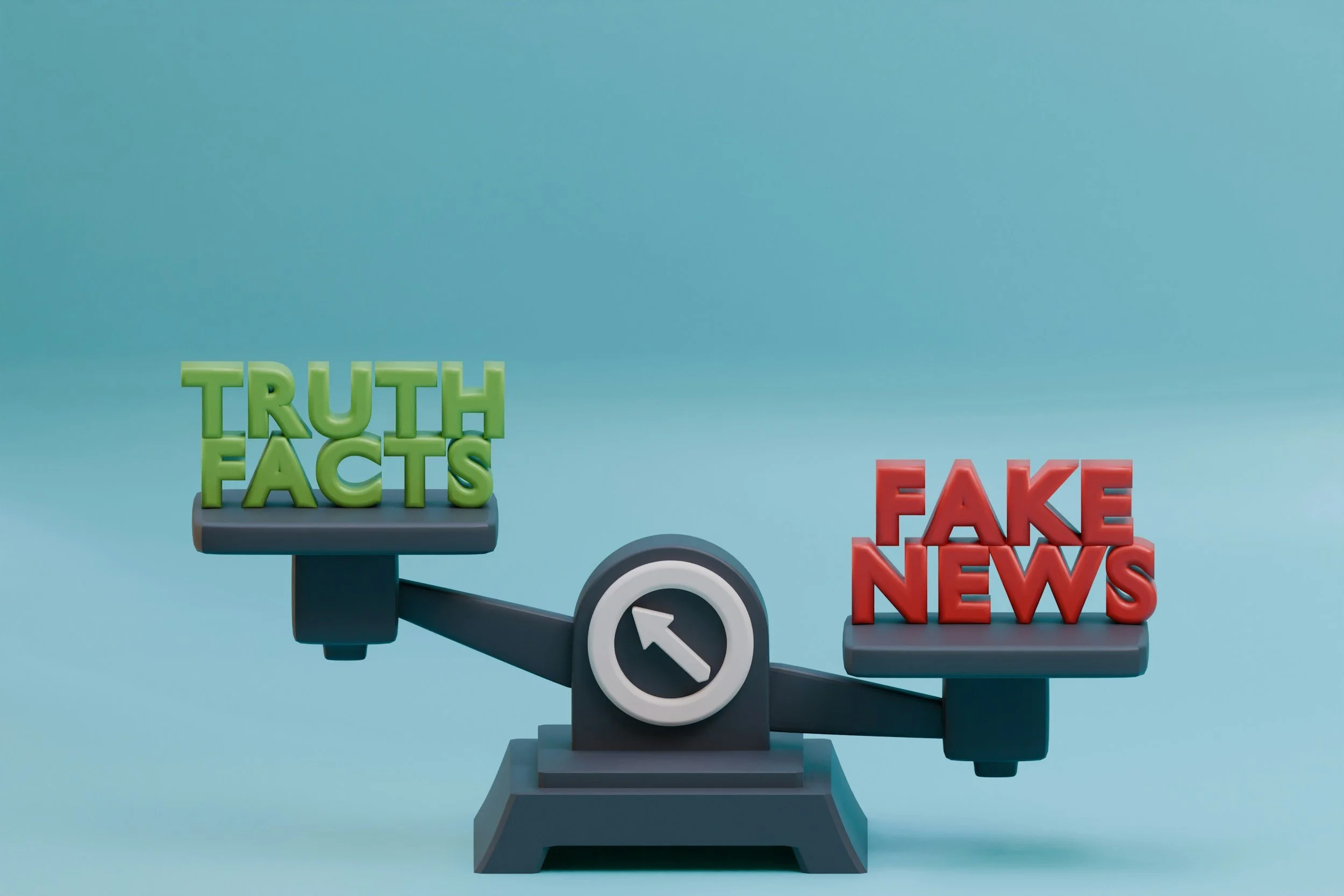
The concept of “truth” is core to many of society's most important institutions, including science, journalism, law, and education. As individuals, we employ our concept of truth throughout daily life when we evaluate a piece of gossip, an advertisement, a promise, a prediction, or even our own memories. But how do people actually decide whether a piece of information should be considered “true”? Why do people so often disagree about the truth, even when ample evidence exists for the claim under question? Moreover, in a society increasingly shaped by artificial intelligence tools and agents, how should we train AI models to evaluate truth? And how do existing AI models affect what people come to believe is true?
This program will explore cutting-edge research on the psychology of truth and the role of AI in today's information ecosystem. Weekly meetings will consist of discussing readings and hands-on activities, such as designing experiments, investigating recent trends in AI, and designing solutions to improve society's access to true information.
At the end of the program, students will write a research paper inspired by the topics discussed during the weekly meetings.
Possible Topics for Final Project:
How do people evaluate the truth of claims from humans differently than those from AI models?
How are people influenced by the beliefs of those around them? When do they adopt similar beliefs versus adopt opposing beliefs?
Does the form that an AI model takes affect whether people believe the information it provides? For example, do people trust information from an AI companion/friend more or less than information from an AI tutor?
In the age of generative AI, what kind of generated content should count as misinformation?
Do conversations with AI models tend to reinforce or reduce people's belief in conspiracy theories?
How can AI models be used to tackle misinformation?
Other topics approved by the Faculty Advisor
Program Details
Cohort size: 3 to 6 students
Workload: Around 4 to 5 hours per week (including class and homework time)
Target students: 9 to 12th graders interested in AI, Psychology, Cognitive Science, Behavioral Science, Journalism, Data Science, Sociology, or other related areas.
Schedule: TBD. Meetings will take place for around one hour per week, with a weekly meeting day and time to be determined a few weeks before the start date.